INSIGHTS
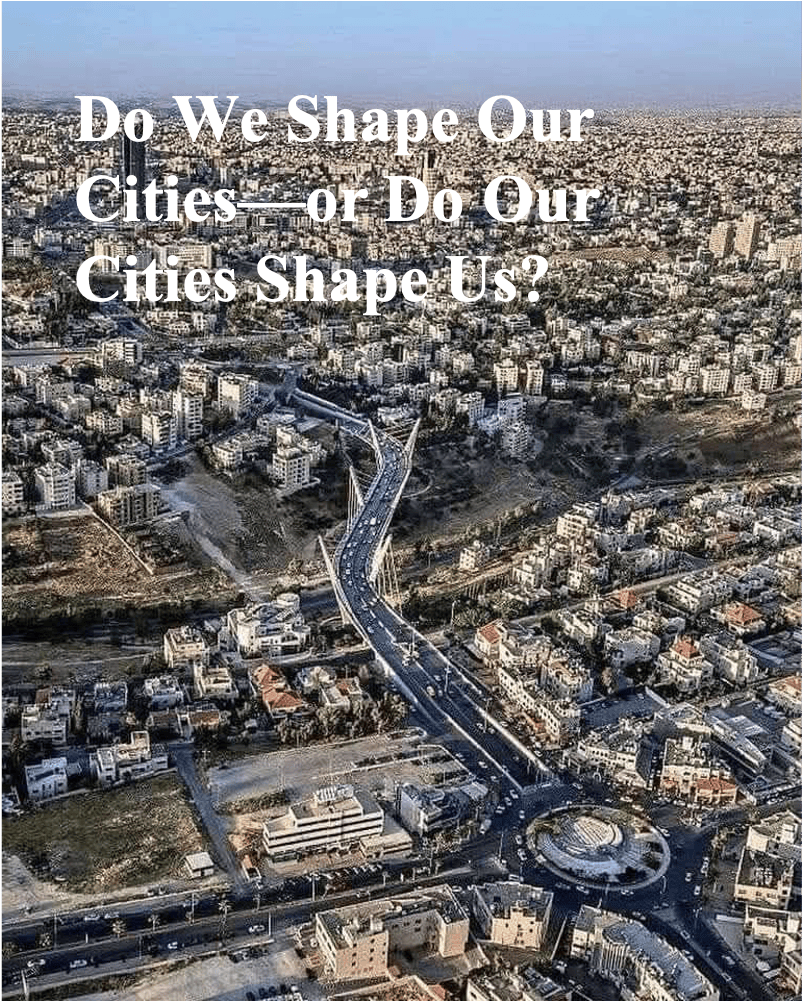
Do We Shape Our Cities—or Do Our Cities Shape Us?
Details
Was one of the illusions of modern urbanization the belief that we could shape cities exactly as we wanted?
We draw streets, define land uses, distribute housing, workplaces, and services, and prepare plans intended to guide growth for twenty or thirty years.
Yet experience—particularly in many Arab cities—has shown how difficult this is.
Cities quickly become more complex than the plans created for them.
Populations change. Economies change. Lifestyles and patterns of work evolve. Investment shifts. Technology changes our behavior, and new needs emerge that we could not fully anticipate when the plan was prepared.
More importantly, these changes are interconnected.
A land-use decision can alter mobility.
Mobility can influence economic activity and land values.
A new road can generate new areas of growth.
Expansion can place additional pressure on infrastructure, resources, and the environment.
The city is therefore not simply a collection of independent physical elements. It is a living, complex system of continuously changing relationships.
This idea is not new. Decades ago, Jane Jacobs challenged approaches that treated cities as products that could be designed and controlled entirely from above. Contemporary urban thinking increasingly understands cities as complex adaptive systems that evolve through interactions over time.
And here lies an important paradox:
We shape our cities, but over time, our cities also shape us.
The street we design today influences how we move tomorrow.
The distance between home and work determines how much of our lives we spend traveling.
The neighborhood we build influences our relationship with our neighbors.
The public spaces we provide—or fail to provide—affect our opportunities to encounter others.
And a city designed around the car gradually makes us increasingly dependent on it.
Perhaps, then, we need to reconsider what urban planning really means.
Rather than trying to fix a predetermined image of the future city, planning could create a framework that lets the city grow, change, and adapt—while maintaining a balance among people, place, economy, mobility, resources, and the environment.
This leaves us with some questions:
Can we really plan a city decades into the future?
Is the planner’s role to shape the city—or to understand and guide the forces that shape it?
And perhaps most importantly:
Are we shaping our cities today—or are we living in cities shaped by yesterday’s decisions, which are now shaping us?
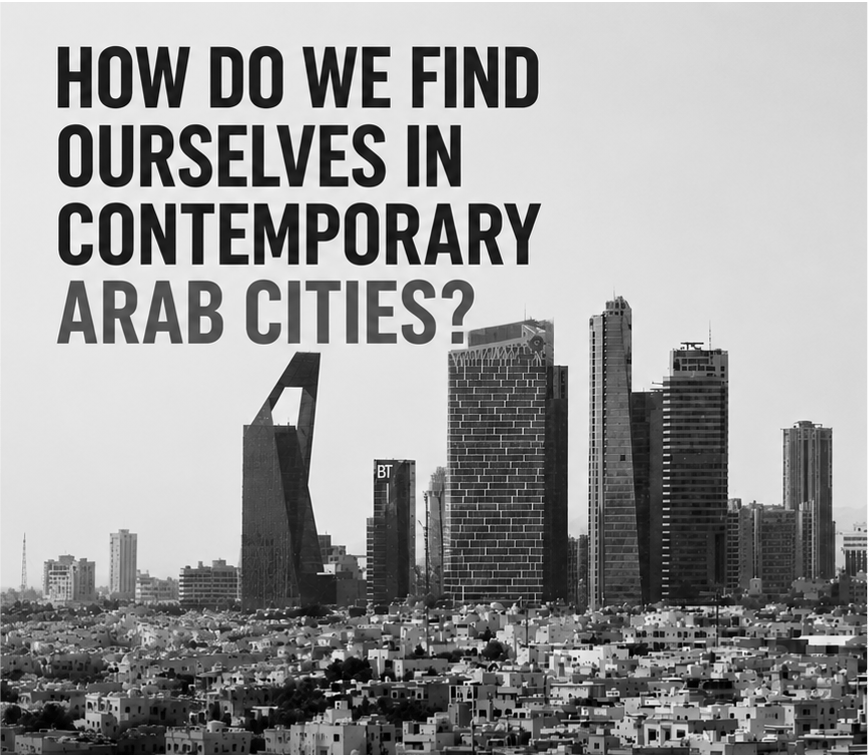
How Do We Find Ourselves In Contemporary Arab Cities?
Do our cities reflect who we are?
Do we feel our past in them—or see our future?
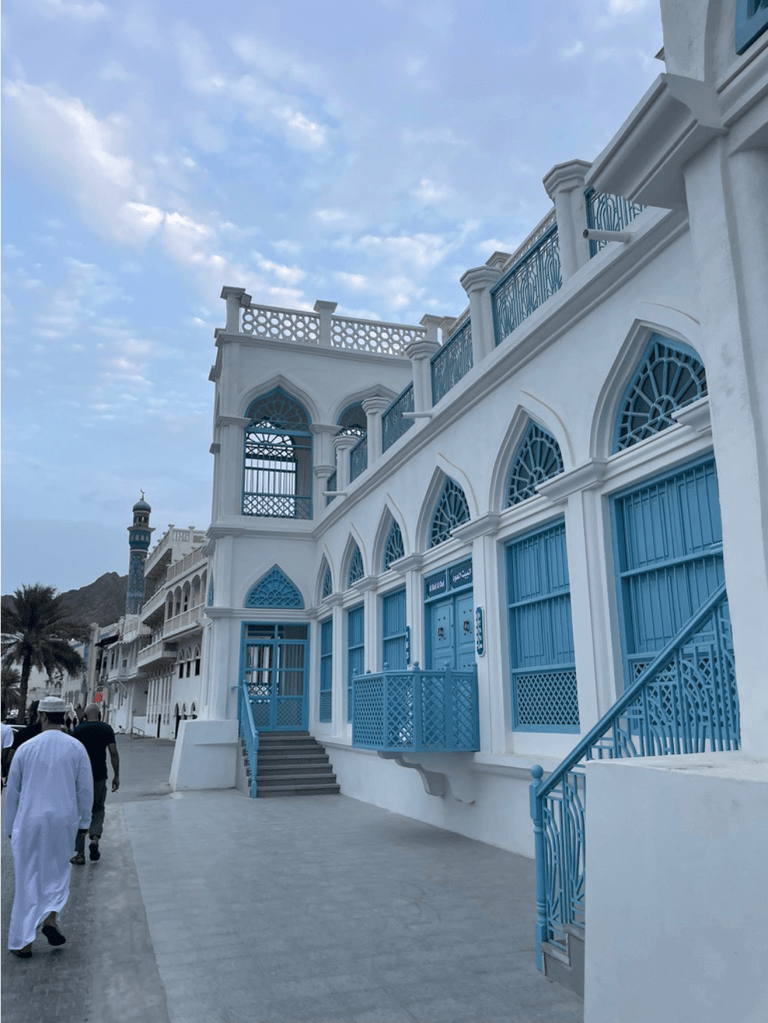
Have you ever wondered why, when we visit many contemporary Arab cities, we often don’t feel like we belong? Why do we struggle to recognize ourselves in them—as if they were disconnected from both place and time, regardless of how developed or modernized they may be? In other words, why do so many Arab cities struggle with questions of identity?When we speak about the identity of Arab cities, the discussion often turns quickly to architectural style. Should our buildings be more traditional—or more modern? Should we reinterpret our architectural heritage? Should we use local materials and ornament, or abandon them?
Should we look back to the past—to mashrabiyas and arches—and reproduce them as they were? Or should we attempt to transform traditional forms in the name of contemporaneity and development, while in reality trying to distance ourselves from accusations of being backward or lacking creativity?
But perhaps we are asking the wrong question.
Urban identity is not an architectural style.
A city’s identity emerges from a deeper, continuously evolving relationship between people, place, culture, memory, nature, and time.
For centuries, Arab cities developed through this relationship. Their streets, souqs, courtyards, neighborhoods, public spaces, and architecture were not isolated design elements. They were physical expressions of climate, social structures, economic life, available technologies, cultural values, and ways of living—and they continued to evolve over time.
Modernization brought profound transformations to many of these relationships, and the rupture with the past has become a reality that serves little purpose to deny. Today, in our search for a contemporary identity, we sometimes attempt to recover the image of the past rather than understand the processes and relationships that produced that image.
At the opposite extreme, we also find attempts to construct a new identity in complete separation from inherited culture and heritage. In both directions, we may have failed to understand the real nature of the problem. Perhaps this explains why some attempts to create “identity” through architectural vocabulary alone can feel artificial or disconnected from the reality of the city.
So perhaps the question facing the contemporary Arab city is not:
How do we design an Arab identity? But rather:
How can architecture and urbanism reconnect people, place, memory, aspirations, and time—allowing identity to continue evolving as a living narrative?
New Book
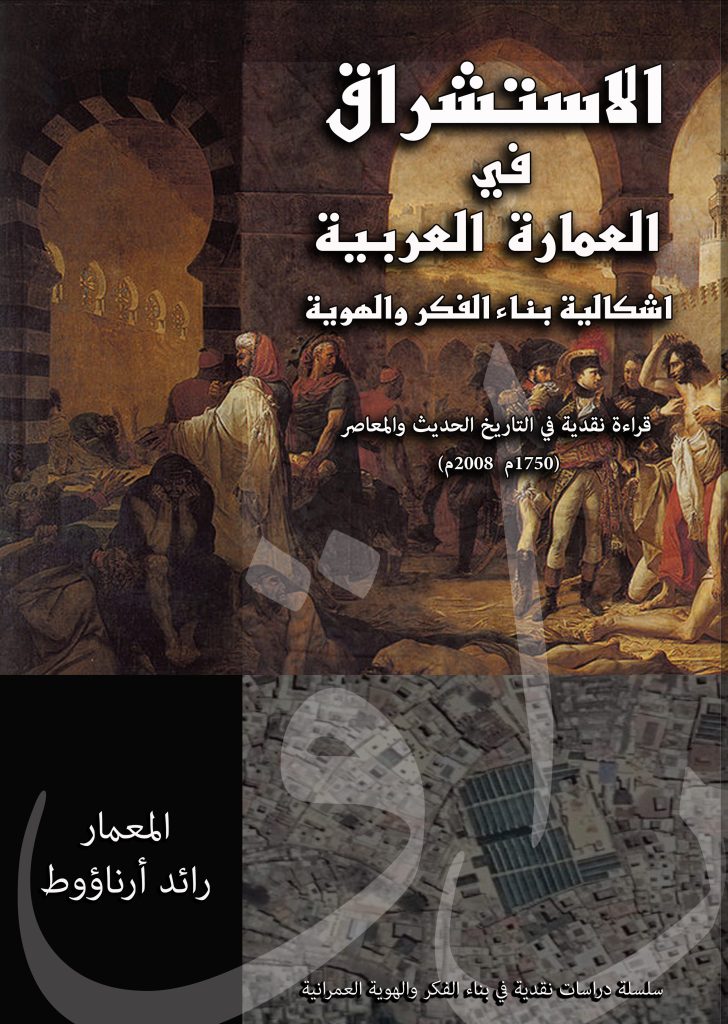
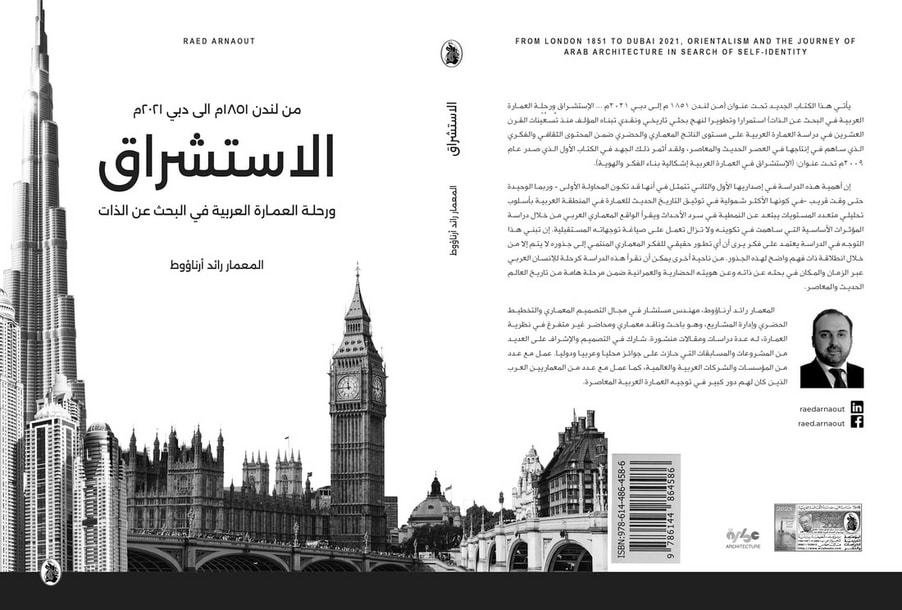
In September 2023, a new book by architect Rad Arnaut, titled ” London 1851 to Dubai 2021: Orientalism and the Journey of Arab Architecture in Search of Identity,” was published by the Arab Institute for Studies and Publishing in Beirut and by Dar Al-Fares in Amman
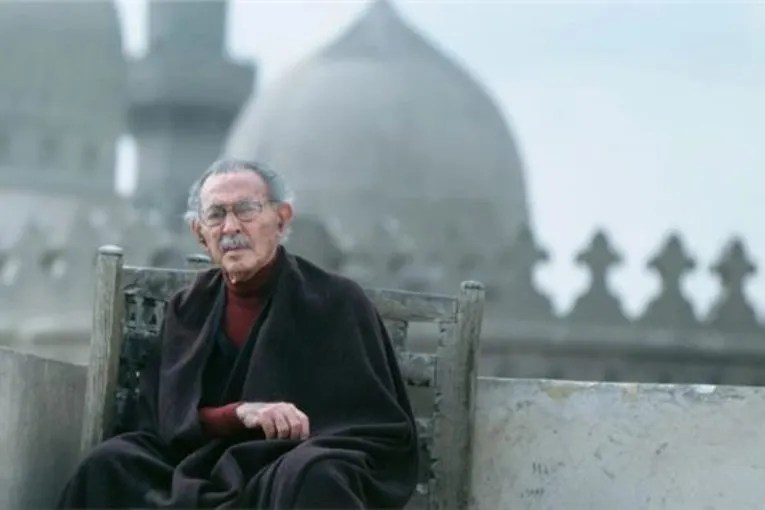
عمارة الفقراء في مواجهة ناطحات السحاب.. كيف سبح المعماري حسن
فتحي ضد التيار؟
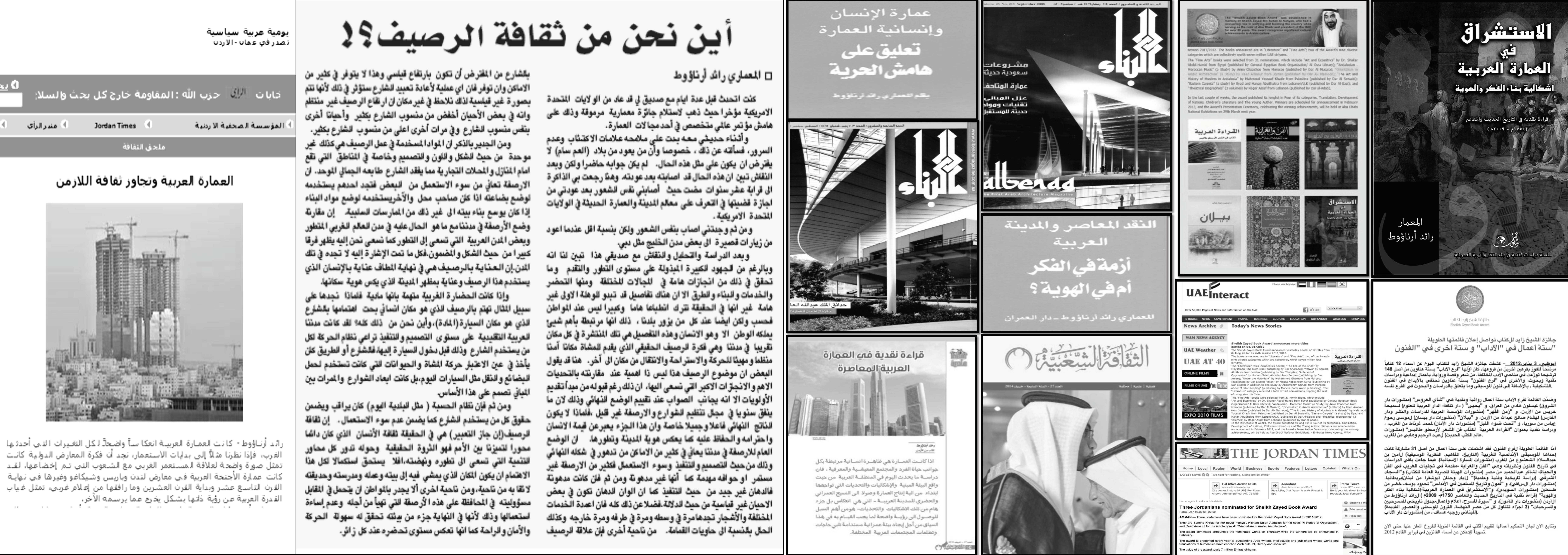
ولكن ما الذي حدث فعلا لأفكار المعماري حسن فتحي؟ وما التحولات التي تعرضت لها؟ نسأل المعماري والمخطط الحضري الأردني رائد أرناؤوط، وهو مؤلف كتاب “الاستشراق في العمارة العربية”، والذي يقول في مقابلة مع الجزيرة نت “كان لحسن فتحي السبق في التعامل مع العمارة التراثية قبل أن تبدأ حركة العمارة الإسلامية في العالم العربي التي انتشرت في السبعينيات ووصلت أوجها في التسعينيات. أهمية أعماله أنها بدأت تتعامل مع التراث من منطلق بيئي ومعماري، إلى جانب تأثيرات من العمارة التقليدية في مصر ومن التراث الإسلامي فيها، خاصة العمارة المملوكية”.
Behind the Scenes – Al Jazeera | Outside the Text Al Jazeera | Outside the Text
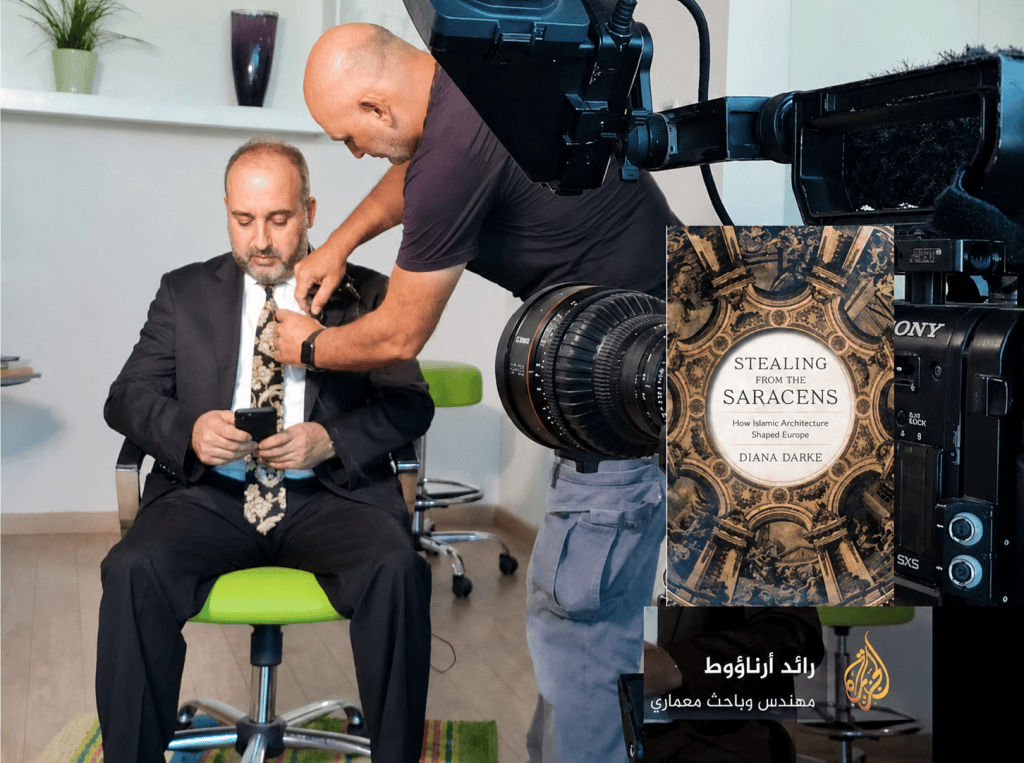
This photograph was taken during my participation in Al Jazeera’s program Outside the Text, where I contributed to a discussion on Diana Darke’s book Stealing from the Saracens: How Islamic Architecture Shaped Europe. As an architect and researcher specializing in Orientalism and the history of Arab and Islamic architecture, I presented a perspective grounded in historical evidence: architectural history is not a story of one civilization borrowing from another in isolation, but of a continuous dialogue among cultures. Throughout history, both Eastern and Western societies have learned from, influenced, and enriched one another. Rather than viewing architectural achievements through the lens of cultural ownership, I emphasized that architecture evolves through the exchange of ideas, technologies, craftsmanship, and artistic traditions. Recognizing these shared contributions offers a more balanced, historically accurate understanding of the built environment and the development of Islamic and Western architecture. This discussion reflects SARD’s broader belief that architecture is a living narrative, shaped by the enduring dialogue among cultures, people, memory, and time.
العمارة العربية تبحث عن هويتها في الحداثة الاستشراقية
لعل ما يمنح كتاب “الاستشراق” للمهندس المعماري الأردني رائد أرناؤوط الصادر حديثاً عن المؤسسة العربية للدراسات والنشر أهميته هو أنه يخوض في مجال معرفي قلما خاض فيه الاستشراق، ذلك أن الدراسات الاستشراقية المتعلقة بالفنون والعمارة الإسلامية قليلة “إذا ما قورنت بالدراسات الموجهة نحو الإسلام كتاريخ ودين وفلاسفة”، وهو ما يعزوه إدوارد سعيد إلى اعتماد الاستشراق على المخطوطات النصية أكثر من اعتماده على الأشياء والمصنوعات.
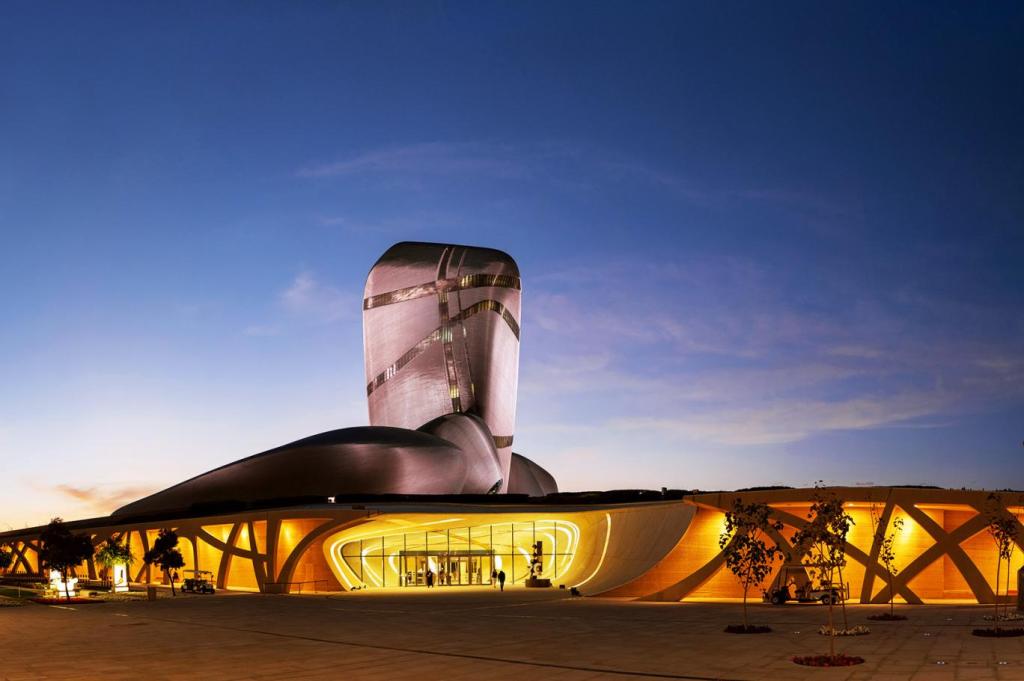
Friday market initiative
In 2019, together with my daughter, Farah Arnaout, I worked on an initiative to develop new urban and architectural designs for the Friday market area in Ras Al Ain, Amman. The initiative aimed to provide an alternative to the existing Friday Market by developing a new market design that responds to users’ needs and aspirations, increases capacity, and addresses safety, security, and functional challenges. In addition, the initiative sought to integrate the area with its surroundings by creating job opportunities and revitalizing the place’s architectural identity, which had been home to one of the oldest tobacco factories in Amman. The initiative was coordinated with the municipality of Amman and was based on field research into the existing market.
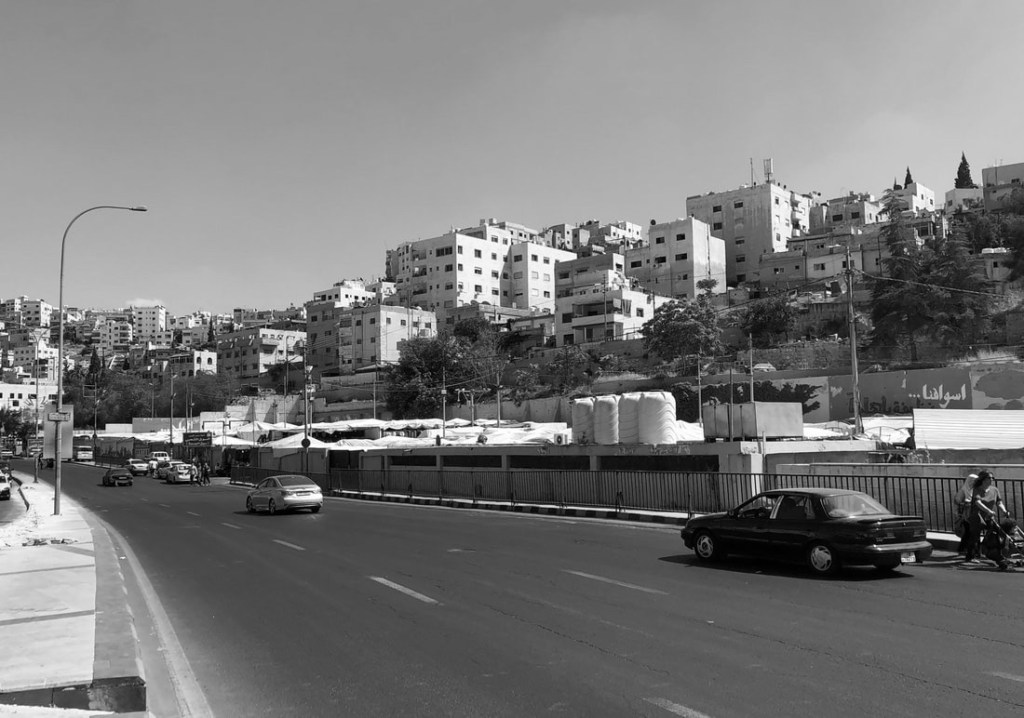
The existing Friday market
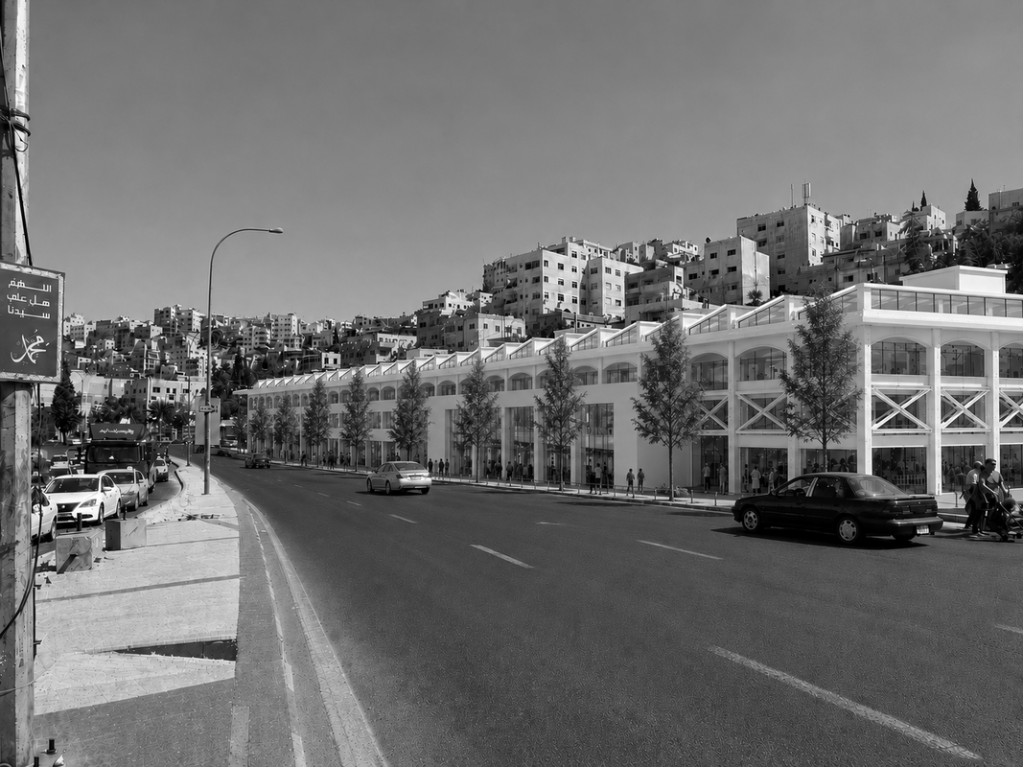
The proposed design of the new Friday Market
قراءة نقدية في العمارة العربية المعاصرة
ان التغيرات البنيوية الكبيرة التي تشهدها المنطقة العربية اليوم وخصوصا منذ مطلع عام 2011م والمتمثلة في أحد مظاهرها بتوجه عدد كبير من المجتمعات العربية – وبشكل تلقائي وغير مسبوق ربما في التاريخ – نحو تفكيك البنية الأساسية للواقع بمستوياته المختلفة سياسيا و اقتصاديا وحتى اجتماعيا يدل على وجود إشكاليات ضمن هذا الواقع، وإن هذه الاشكاليات اذا ما تم تحليلها في سياق علم الاجتماع وعلم النفس الاجتماعي بشكل أساسي تظهر أن لهذه الاشكاليات تداخلات وعلاقات مشتركة ومعقدة بين مكونات المجتمع والبيئة التي يعيش فيها أفراده، كما يشير الى أن هذه الإشكاليات ليست حديثة وإنما هي عميقة مكانا وزمانا،حيث تظهر آخر التحليلات في هذا السياق أن المجتمعات العربية ترتبط بعلاقات معرفية على مستوى مفهوم الهوية تتجاوز الحدود الموجودة بين الدول المختلفة وهي علاقات أثبتت انها عميقة ومتفوقة في جوهرها على الفوارق التي تميز كل مجتمع عن اخر
العمارة العربية وتجاوز ثقافة اللازمن
بعد مرحلة التحرر من الاستعمار في منتصف القرن العشرين، كانت توجهات العالم العربي نحو الحرية والاستقلال تتزامن في غالبها مع تبني النموذج الغربي في العمارة والتحضر. كما أن بناء المؤسسات لم يكن نموذج الثقافة العربية الإسلامية يتجاوز فيه ملامح الخطاب الديني أو السياسي في بعض الأحيان، ولكن ليس كنموذج تطبيقي وعملي في الحياة، حيث كانت الطروحات الفكرية في غالبها امتداحية تبجيلية للماضي، أو أنها في المقابل متبنية للنموذج الغربي دون إدراك لفارق التجربة والمكان والزمان.
حكاية القطيعة بين المعماري ومجتمعه
لابد من إلى إعادة النظر في آلية إنتاج العمارة، وفي مقدّمتها المناهج الأكاديمية، بحيث يصبح البعد الثقافي بشكل عام هو المنطلق الأساسي لتدريس العمارة قبل أن يكون المنطلق الشكلي، من أجل جسر الهوة التي حدثت بسبب القطيعة الثقافية بين المعماري ومجتمعه.
الاستشراق في العمارة العربية– قراءة معاصرة
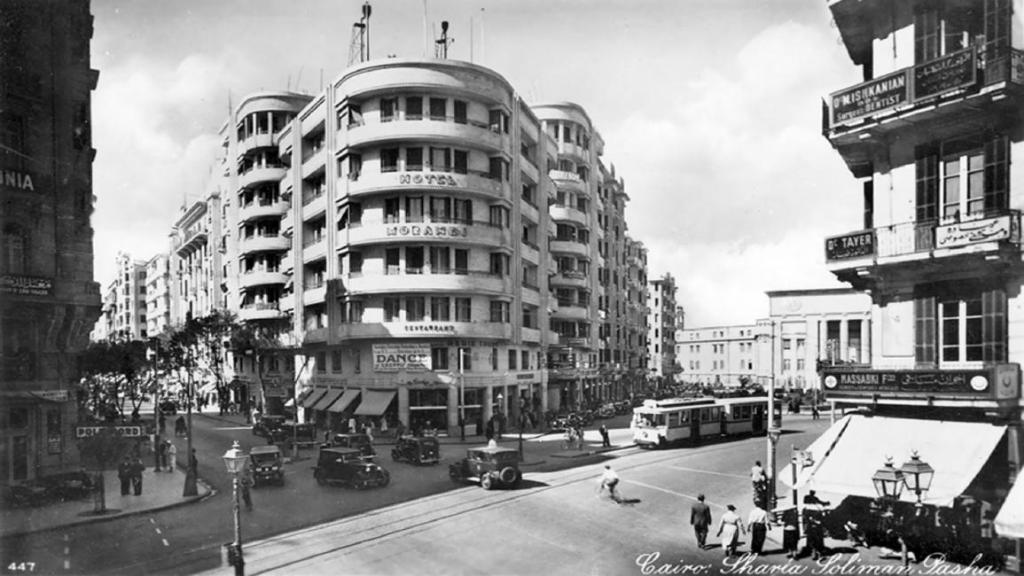
أن “بيئتنا العمرانية الحديثة لا تتسم بهوية واضحة منذ فترة الاستعمار وحتى اليوم، والسؤال الأساسي الذي يُلح علينا هو: هل نفهم بيئتنا العمرانية من خلال فهمنا لذاتنا أم من خلال فهم الآخر لنا؟ لذلك يمرّ كتاب الاستشراق في العمارة العربية بمحطات بدءاً من المعارض المعمارية الدولية التي كانت تحضرها القوى الاستعمارية لتمثّل معمار البلدان التي تحتلها في منتصف القرن التاسع عشر، وصولاً إلى معارص اليوم التي تشارك فيها البلدان العربية بعد استقلالها
ندوة في اتحاد كتاب الامارات عن كتاب الاستشراق في العمارة العربية
العمارة نتاج ثقافي يعبّر عن فكر وهوية من ينتجها ومن ثم تسهم في بناء هوية مستقبلية لهذه الثقافة من خلال التجمعات الحضرية للناتج العمراني، ولابد من الوقوف على ملامح الفكر العربي والهوية العربية في سياقها الثقافي ومن ثم نتاجها العمراني في سبيل بناء ثقافة عمرانية عربية معاصرة مدركة لخصوصيتها وإشكالياتها وقادرة على القيام بمتطلبات نهضتها المعرفية